If I have a mole that bleeds should I be concerned?

2 min read
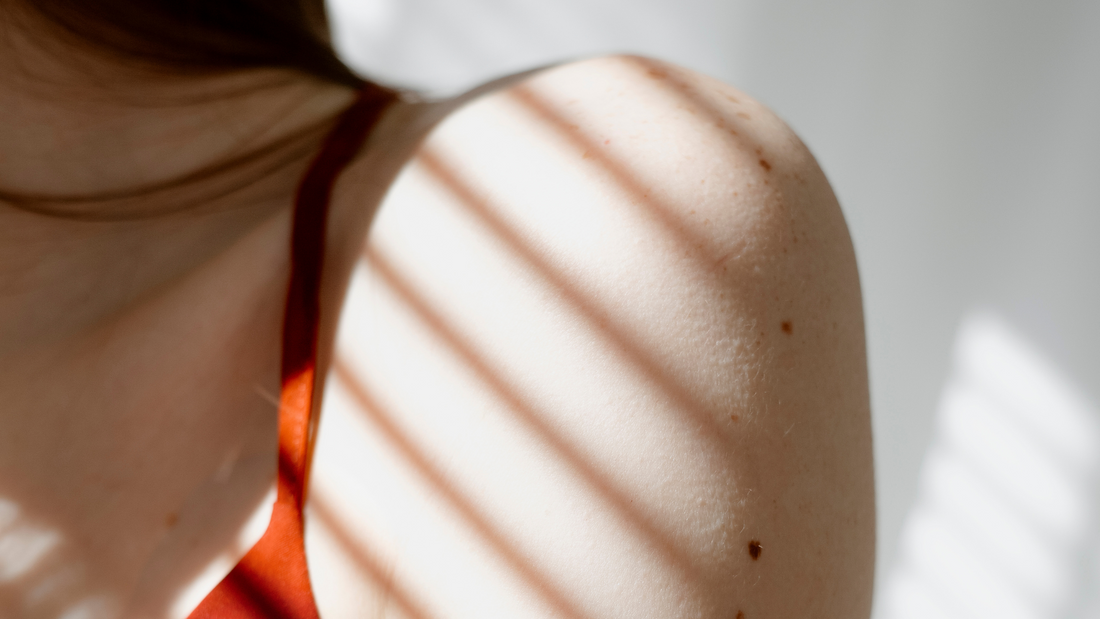
Solbari blog: If I have a mole that bleeds should I be concerned?

Moles, for the most part, are harmless or 'benign', which means they are not cancerous or malignant.

The reason we have moles is not 100% known, but it is believed to be due to a combination of genetics and the result of personal circumstances and lifestyle.

The appearance of new moles is often found in adolescents and women during pregnancy. Moles are also known to develop as a reaction to sun exposure.

Common and irregular moles are flat on the skin or raised. Raised moles are more prone to catching on clothing or coming into contact with objects during everyday activities, which may cause damage or bleeding. In most cases, this is just an unfortunate incident and should not be considered anything more sinister as the skin heals.

It is important to note that moles can mutate or develop to become malignant or cancerous over time. Bleeding, or the secretion of fluid could be a sign of a mutation which should be taken seriously. This is not normal and should be checked by a GP or dermatologist immediately.

If you have concerns about a mole that changes over time or behaves differently to other moles on your body, you should seek immediate medical attention. When skin cancer or melanoma is caught at an early stage, it is highly treatable with very low mortality rates. If skin cancer is ignored or allowed to become more advanced, the required treatment is more extensive and mortality rates increase substantially.

In 90 per cent of cases, skin cancer is caused by sun overexposure. The best way to prevent skin cancer and melanoma is to protect your skin from the sun. UPF 50+ sun protective clothing and the use of a broad brim sun hat is the most effective way to protect yourself.

Solbari is a sun protection specialist based in Melbourne, Australia. Solbari has an online range of UPF 50+ sun protective clothing and broad-brim sun hats which dermatologists consider to be the most effective way to protect yourself from the sun. For more information, visit www.solbari.com.au

You can find out more about Solbari's certified UPF50+ sun protective range by clicking the links below:

Women UPF 50+
Men UPF 50+
Sun Hats UPF 50+
Accessories UPF50+
SPF 50+ Sunscreen
Skin Check App

Back to blog homepage

Content Disclaimer: All content on the Solbari website is for informational purposes only. It does not constitute and is not intended to be a substitute for professional medical advice, diagnosis or treatment. Never disregard professional medical advice or delay seeking it because of something you have read on this website. Reliance on any information provided on this website is solely at your own risk. Always seek the guidance of your doctor or other qualified health professional with any questions about your health or a medical condition.

More articles

Leah wears a Solbari visor and t-shirt

Your Story Series: Leah

Skin Cancer & Melanoma
2 min read

8 years ago, Leah was diagnosed with Stage 3 melanoma shortly after her son's first birthday. In the years since she has learned the tools to allow her to continue enjoying the outdoors.

Courtney wears a Solbari sun hat and Luxe Sun Wrap

Your Story Series: Courtney

Skin Cancer & Melanoma
3 min read

After seeking help for a spot that was changing colour and getting bigger, Courtney was diagnosed with melanoma. She has since prioritised her health above everything else, and has incorporated sun protection as a non-negotiable in her daily routine. 

How UPF 50+ Sun Protection Can Help Alleviate Rosacea

How UPF 50+ Sun Protection Can Help Alleviate Rosacea

Skin Cancer & Melanoma
2 min read

Does overexposure to UV rays affect Rosacea? How can UPF 50+ sun protective clothing help to alleviate this skin condition? Find out more.

Courtney Mangan wears Solbari UPF 50+ products

Your Story Series: Courtney Mangan

Skin Cancer & Melanoma
2 min read

After four melanoma diagnoses, Courtney Mangan's journey to nearly five years cancer-free reflects extraordinary resilience and a renewed commitment to lifelong sun safety.

A doctor conducts a skin check

Year-Round Skin Health Tips

Skin Health Education
3 min read

Maintain healthy skin all year round with daily sun protection, monthly self exams, and annual dermatologist skin checks. Learn how simple habits can reduce skin cancer risk, support early detection, and keep your skin protected for the long term.

Your Story: Eadie

Your Story Series: Eadie

Skin Cancer & Melanoma
2 min read

At just 22, Eadie was diagnosed with a Basal Cell Carcinoma. Today, she shares how her relationship with the sun, and sun protection, has changed.