


We've got you covered with Dr. Heba Jibreal
6 min read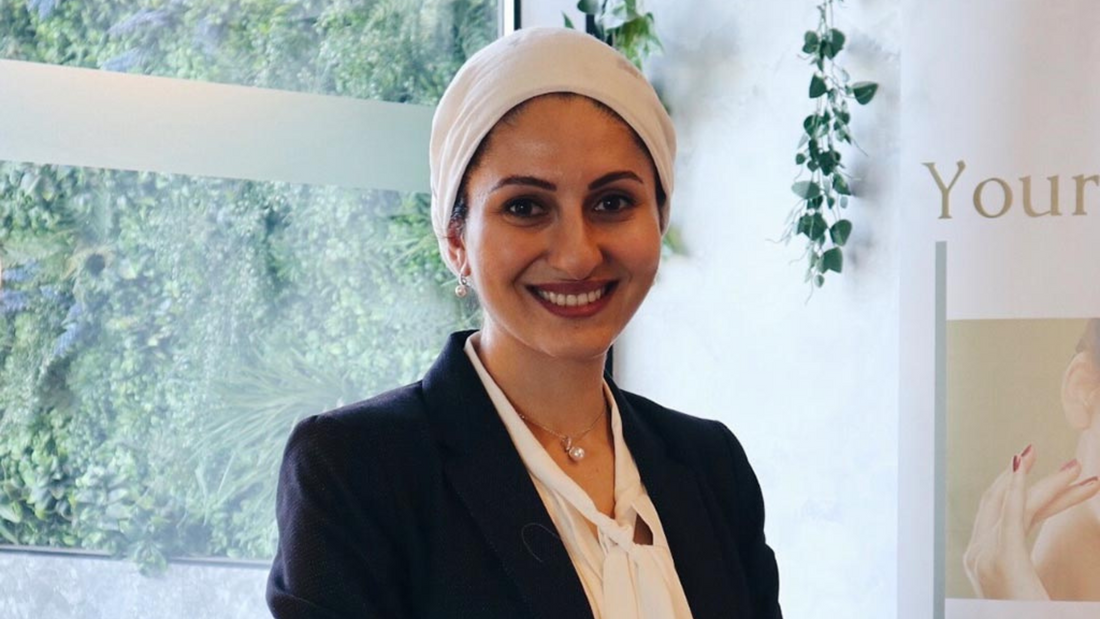
Dr Heba Jibreal is an Australian dermatologist based in Brisbane, completed her dermatology specialist training at the Princess Alexandra Hospital and Queensland Children’s Hospital. She holds dual qualifications as a fellow of the Australian College of Dermatologists as well as the Jordanian Board of Dermatology. Dr Jibreal is currently a Visiting Medical Officer (VMO) at the Queensland Children’s Hospital, a Senior Lecturer at the University of Queensland & works in private practice around the Western suburbs.
What causes sunburn?
Sunburn is an inflammatory reaction to Ultraviolet radiation (UVR) damage to the skin’s outermost layers. The sun emits UV radiation as part of an electromagnetic (light) spectrum. It is usually subdivided, rather arbitrarily, into UVC (200–290 nm), UVB (290–315 nm), and UVA (315–400 nm). More than 95% of the sun’s UV radiation that reaches the earth’s surface is UVA. Practically all of the UVC, and much of the UVB, are absorbed by the oxygen and ozone in the earth’s atmosphere, so that UV radiation below 290 nm is virtually undetectable at ground level. Excessive UVR exposure (UVA & UVB) leads to the acute inflammatory reaction of sunburn. UVB penetrates the epidermis (the top layer of the skin) while UVA goes deeper.
What happens when you get a sunburn? & How long does sunburn normally take to heal?
The signs and symptoms of sunburn differ according to the skin phototype and length of exposure to UV radiation. typical delayed bright red appearance of a sunburn develops on all exposed skin, beginning within 30 minutes to 8 hours, peaking at 12 to 24 hours If excessive exposure, edema (swelling), skin pain, itching and blistering may occur, which if widespread, may lead to systemic symptoms such as chills and malaise. Such reactions are generally followed by itch and desquamation (skin peeling) over a period of days to weeks. In severe cases of sunburn, severe skin burning may result in second-degree burns, dehydration, secondary infection, shock or even death.
Who does sunburn affect most? Are there certain skin types that are more prone to sunburn?
The Fitzpatrick skin type (phototype) describes a way to classify the skin by its reaction to exposure to sunlight. This depends on the amount of melanin pigment in the skin. Melanin, defends our skin against the sun’s rays by darkening your unprotected sun-exposed skin. The amount of melanin you produce is determined by genetics. People with less melanin (Pale, fair white skin- skin phototype I) are at much greater risk of sunburn than their (Dark brown or black phenotype VI) counterparts. BUT ANYONE CAN GET SUNBURNED, even if you tan or your skin type is dark, the sun can cause cellular damage.
Is spending too much time in the sun the only way I can get sunburned?
No, you can still get burnt if you spend a long time in the car next to an untinted side window when the UV is high. If swimming you’re at higher risk of sunburn, as wet skin tends to burn more than does dry skin. You can get sunburn on cool, windy or cloudy days as UV radiation can penetrate some clouds. Snow, sand, water and other surfaces can reflect UV rays that cause the skin to burn too.
Do sunburns increase my risk of skin cancer?
Intense, repeated UV light exposure that results in sunburn increases the risk of skin damage (DNA damage), causing premature skin ageing (photoageing) & is the leading cause in the majority of cases of melanoma & non melanoma skin cancers (basal cell & squamous cell carcinoma). Blistering sunburn in childhood or adolescence more than doubles your chances of developing melanoma later in life.
How can avoid getting sunburnt?
To avoid getting sunburned, take these precautions:
Always wear protective clothing. Wide-brimmed hat, long-sleeved shirts & pants that covers you. Dark colours, tightly woven fabrics offer more protection. Check the label for its ultraviolet protection factor (UPF), which indicates how well a fabric blocks sunlight. Remember to use wrap-around sunglasses with UVA/UVB to protect your eyes as well.
Use sunscreen frequently and generously. Apply water-resistant sunscreen and lip balm with an SPF of 30 or greater and broad-spectrum protection against UVA & UVB about 15 to 30 minutes before going outdoors, reapply your sunscreen every 2 hours especially if swimming or sweating.
Avoid sun exposure when the sun is at its strongest. The sun's rays are strongest between 10am and 4pm, when you are outdoor, limit the time you're in the sun & seek shade when possible.
Check UV levels if going outside. Most weather forecasts now give an indication of UV levels that can be expected during the day. The World Health Organisation's Global Solar UV Index measures UV levels on a scale from 0 (Low) to 11+ (Extreme). Sun protection is recommended when UV levels are 3 (Moderate) or higher.
Some common prescription and over-the-counter medications, like pain killers or acne treatments, can make your skin more sensitive to sunlight so make sure you take extra precautions if on them.
What should I do if I get sunburned?
Photo-protection is the best preventative measure. However, once excessive UVR exposure has occurred, symptomatic treatment can be offered, it is important to begin treating sunburn as soon as you notice it. To help relieving sunburn discomfort, follow these tips:
- Increase water intake this helps prevent dehydration.
- Gently apply cool or cold compresses, or bathe the area in cool water.
- Apply a cream or lotion-based moisturiser every 2-3 hours, this will help soothe sunburned skin & ease the dryness.
- Consider taking over the counter pain-relieving medication, to help reduce any swelling, redness and discomfort.
- If your skin blisters, allow the blisters to heal. Do not pop the blisters or pick at your skin, allow the dead skin to detach on its own.
- Take extra care to protect sunburned skin while it heals.
Who should I see if I’m concerned about my sunburn?
If the sunburn is severe or life-threatening, seek medical advice as hospitalisation and treatment as for thermal burns may be necessary. See your dermatologist for advice if you have any concerns.
You can find out more about Solbari's certified UPF50+ sun protective range by clicking the links below:
Women UPF 50+
Men UPF 50+
Sun Hats UPF 50+
Accessories UPF 50+
SPF 50+ Sunscreen


